
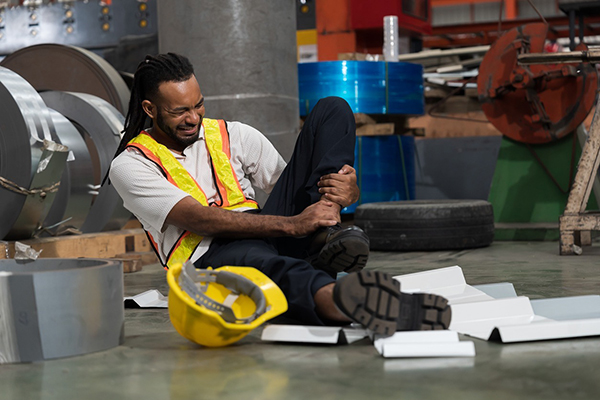
Bone fractures can happen to anyone, at any age, and under a wide variety of circumstances. Whether the result of a sports collision, a workplace accident, a fall, or an unexpected twist during everyday activity, a fracture can cause immediate pain and significantly disrupt normal function. For residents of Anaheim, Fullerton, and Huntington Beach, understanding how fractures are diagnosed, treated, and rehabilitated can help ensure a safe and effective recovery.
Understanding Bone Fractures
A bone fracture is a break or crack in the continuity of a bone. Fractures range in severity from small stress fractures that develop gradually over time to complete breaks that require surgical repair. The location of the fracture, the extent of the break, and the overall health of the patient all play a role in determining the most appropriate course of treatment.
Fractures can affect any bone in the body, but orthopedic surgeons most commonly treat fractures of the wrist, hand, ankle, foot, shoulder, hip, and leg in active adults and older patients.
The Different Kinds of Fractures
Fractures are classified based on their pattern, severity, and whether surrounding tissue has been affected.
Stress Fractures Stress fractures are small cracks that develop in bone as a result of repetitive force or overuse, rather than a single traumatic event. They are common among runners, athletes, and individuals who have recently increased their level of physical activity. Stress fractures most frequently occur in the foot, shin, and lower leg.
Stable Fractures In a stable fracture, the broken ends of the bone remain aligned and in their proper position. These fractures often heal well with immobilization using a cast or splint, without the need for surgery.
Displaced Fractures A displaced fracture occurs when the broken bone fragments shift out of their normal alignment. Depending on the degree of displacement, surgical intervention may be necessary to properly reposition and stabilize the bone during healing.
Comminuted Fractures Comminuted fractures involve the bone breaking into multiple fragments. These injuries are often the result of high-energy trauma such as a vehicle accident or significant fall and frequently require surgical repair.
Open Fractures An open, or compound, fracture occurs when the broken bone pierces through the skin. These injuries carry a higher risk of infection and typically require urgent surgical treatment to clean the wound and stabilize the bone.
Common Causes of Fractures in Active Communities
Residents of Anaheim, Fullerton, and Huntington Beach lead active lifestyles that can occasionally result in fracture injuries. Common causes include:
- Falls during sports, outdoor recreation, or everyday activities
- High-impact collisions during contact sports or cycling accidents
- Workplace injuries involving falls from height or heavy equipment
- Motor vehicle accidents causing significant trauma to the extremities
- Gradual bone weakening due to osteoporosis, increasing fracture risk with minor trauma
- Overuse injuries from repetitive physical activity without adequate rest
Understanding the circumstances of a fracture helps orthopedic surgeons choose the most effective treatment strategy for each patient.
How Fractures Are Diagnosed
Prompt and accurate diagnosis is essential to ensure proper healing and prevent complications. When a patient presents with a suspected fracture, orthopedic specialists typically begin with a thorough physical examination to assess pain, swelling, deformity, and range of motion.
Imaging studies are then used to confirm the diagnosis and evaluate the extent of the injury. These may include:
- X-rays to identify the location and pattern of the fracture
- CT scans to provide detailed images of complex fractures involving joints or multiple bone fragments
- MRI scans to evaluate stress fractures or associated soft tissue injuries that may not be visible on X-ray
An accurate diagnosis allows the orthopedic team to develop a treatment plan tailored to the specific type and severity of the fracture.
Non-Surgical Fracture Treatment
Many fractures can be treated effectively without surgery, particularly when the bone fragments remain properly aligned and stable. Non-surgical treatment options include:
Casting and Splinting A cast or splint immobilizes the fractured bone, holding it in the correct position while it heals. Casting is one of the most commonly used treatments for stable fractures of the wrist, forearm, ankle, and foot.
Closed Reduction When a fracture is displaced but does not require surgery, an orthopedic specialist may perform a closed reduction — a procedure in which the bone fragments are manually realigned without making a surgical incision. The repositioned bone is then immobilized with a cast or splint to maintain alignment during healing.
Functional Bracing For certain fractures, a functional brace may be used to allow controlled movement of the surrounding joints while still protecting the healing bone. This approach can support a more active recovery and help preserve muscle strength during the healing process.
Surgical Fracture Treatment
When a fracture is severely displaced, unstable, or involves multiple fragments, surgery may be necessary to restore proper bone alignment and ensure stable healing. Orthopedic surgeons use a variety of techniques and implants depending on the location and complexity of the fracture.
Open Reduction and Internal Fixation (ORIF) ORIF is one of the most commonly performed fracture surgeries. During this procedure, the surgeon makes an incision to directly reposition the bone fragments and then secures them in place using metal plates, screws, rods, or pins. This approach is frequently used for fractures of the wrist, ankle, hip, and leg.
Intramedullary Nailing For fractures of long bones such as the femur or tibia, an intramedullary nail may be inserted through the center of the bone to stabilize the fracture. This technique provides strong internal support and allows patients to begin rehabilitation earlier in the recovery process.
External Fixation In some cases, particularly with open fractures or complex injuries, an external fixator may be applied to stabilize the bone from outside the body. This approach uses pins or screws inserted into the bone and connected to an external frame, allowing the fracture to heal while protecting the surrounding tissue.
Joint Replacement for Fractures Certain fractures, particularly hip fractures in older adults with underlying bone weakness, may be best treated with partial or total joint replacement rather than internal fixation. This approach can allow patients to return to weight-bearing activities more quickly and reduce the risk of complications associated with fracture healing in severely damaged joints.
Rehabilitation After a Fracture
Recovery from a fracture involves more than just allowing the bone to heal. Rehabilitation plays a critical role in restoring strength, flexibility, and normal function to the affected area. Depending on the type and location of the fracture, rehabilitation may include:
- Physical therapy exercises to rebuild muscle strength and joint mobility
- Gradual return to weight-bearing activities as healing progresses
- Occupational therapy for fractures affecting hand and wrist function
- Guidance on activity modification to protect the healing bone
A structured rehabilitation program tailored to the specific fracture and surgical approach can significantly improve long-term outcomes and help patients return to the activities they enjoy.
Protecting Bone Health to Prevent Future Fractures
In addition to treating fractures, orthopedic specialists can provide guidance on strategies to reduce the risk of future bone injuries. Recommendations may include:
- Bone density screening for patients at risk of osteoporosis
- Calcium and vitamin D supplementation to support bone strength
- Weight-bearing exercise programs to maintain bone density
- Fall prevention strategies for older adults
- Protective equipment and proper technique for athletes and active individuals
Addressing underlying bone health concerns can make a meaningful difference in reducing fracture risk over time.
Frequently Asked Questions
- How do I know if a bone is fractured or just bruised?
Fractures and severe bruising can cause similar symptoms including pain, swelling, and tenderness. However, fractures are often accompanied by more intense pain, difficulty using the affected area, and visible deformity. An X-ray is the most reliable way to confirm whether a fracture is present. - Can fractures heal without surgery?
Yes. Many fractures heal successfully without surgery when the bone fragments remain properly aligned. Immobilization with a cast, splint, or brace allows the bone to heal in the correct position. Surgery is typically recommended when the fracture is displaced, unstable, or involves multiple fragments that cannot be maintained in alignment without internal fixation. - How long does it take for a fracture to heal?
Healing time varies depending on the bone involved, the severity of the fracture, the patient's age, and overall bone health. Minor fractures may heal within four to six weeks, while more complex fractures or surgical repairs may require several months of healing and rehabilitation. - What complications can occur if a fracture is not treated properly?
Untreated or improperly managed fractures can lead to complications such as malunion, where the bone heals in an incorrect position, nonunion, where the bone fails to heal completely, chronic pain, joint stiffness, nerve damage, and long-term functional limitations. - When can I return to sports or physical activity after a fracture?
Return to activity depends on the type and location of the fracture, the treatment received, and the progress of rehabilitation. Your orthopedic surgeon will provide specific guidance on when it is safe to gradually resume sports and physical activity based on your individual recovery.
Finding the Right Care for Your Fracture
A fracture should always be evaluated by an orthopedic specialist to ensure proper diagnosis and treatment. Delaying fracture care or attempting to manage a fracture without professional guidance can lead to improper healing, chronic pain, and long-term functional limitations.
For residents of Anaheim, Fullerton, and Huntington Beach, working with an experienced orthopedic surgeon ensures that your fracture is treated with a plan tailored to your specific injury, activity level, and recovery goals. Contact us to book a consultation with our specialists.
About SCOS: South County Orthopedic Specialists (SCOS) is a leading orthopedic practice serving patients throughout Orange County, including Anaheim, Fullerton, Huntington Beach, Irvine, and surrounding communities. The practice is dedicated to providing comprehensive musculoskeletal care, from advanced diagnostics and non-surgical treatments to minimally invasive procedures and joint replacement surgery. SCOS physicians focus on personalized treatment plans designed to relieve pain, restore mobility, and help patients return to active, healthy lifestyles.

